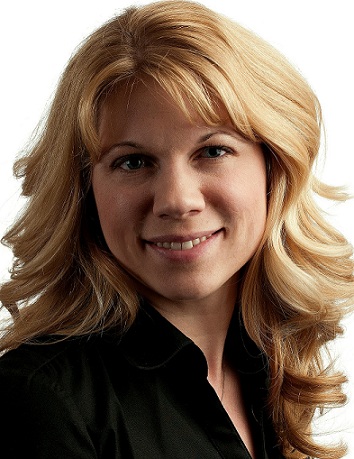
Featured InterviewWelcome to our newest conversation with someone who has been beyond the map's edge and lived to tell the tale. The heroic men and women interviewed here represent the vanguard of those working to expand the boundaries of Christian speculative fiction. This is our sixty-eighth interview, and we've enjoyed them all. If you'd like to read previous months' interviews, you can find them all here. Please Welcome...Morgan Busse
This month our interview guest is Christian speculative fiction author Morgan Busse. While most authors begin their story with knowing they were destined to be a writer at an early age, such is not the case with Morgan. When she was young she wanted to be a Pegasus unicorn... She never managed to become that elusive magical creature. Instead, she grew up to be a wife and mother. She says that sometimes that experience is equally magical, and sometimes she wishes she had magic. (The “flick of my wrist and tada, the house is clean” kind of magic.) Morgan is married to a “wonderful guy” who is also a pastor, and together they have four kids, including a set of twins. She loves the rain, wearing wacky socks, and a good cup of tea. And now, the interview... WhereTheMapEnds: Catch us up with you. What have you been doing lately?
Morgan Busse: Apart from writing? I just moved to
Kansas. Currently I am unpacking, helping my family adjust to a new
life here, and making new friends. WhereTheMapEnds: What is your favorite speculative novel of all time, and why is that your favorite? Morgan Busse: The Hobbit and The Lord of The Rings. My very first memory of anything fantasy or science fiction is watching the old Hobbit cartoon with my dad. Then I read the book. Then I went and read The Lord of the Rings. Then I went and read The Silmarillion (see a pattern here?). I lived in the world of dragons and ageless elves, dwarves, orcs, and hobbits that like to eat a lot. In fact, every time I read The Hobbit, I want second breakfast. WhereTheMapEnds: Not to mention elevensies. What made you want to write speculative fiction? Morgan Busse: I actually never thought about writing, let alone writing Christian speculative fiction. I was an avid reader, not a writer. When my husband started seminary, I found myself with time on my hands. So I started looking for a something new to read. I discovered Terry Brooks and the Star Wars books and other speculative books. I devoured almost everything I could find. After a while, I wanted to see if there was any Christian fantasy out there. So I went down to my local Christian bookstore and asked. The lady gave me a funny look and pointed to a lone Frank Peretti book at the end of the aisle. I went home disappointed. My husband said I should just write my own book. Umm, yeah right. I had never really thought about writing, and I wasn’t sure I wanted to. Then a couple months later on a trip to Seattle I had an idea of a young woman who had this gift of seeing inside people, and my story was born. WhereTheMapEnds: How was your first idea for a Christian speculative novel received (by anyone: spouse, friends, parents, agent, publisher, readers, reviewers, etc.)? Morgan Busse: My husband was the one who said I should write a Christian fantasy, so of course he was all for it. I made him pay by reading each manuscript I wrote (muhaha!). It was a mixed bag for other people. Some people thought it was cool, some people didn’t realize there was such a thing as Christian fantasy, and some thought any fantasy is wrong. WhereTheMapEnds: Yes, which is pretty much why Christian fantasy and SF dies a lonely death if it ever makes it to Christian bookstore shelves. What is your favorite speculative genre to read? To write? If they’re different, talk about that. Morgan Busse: I love to read anything speculative (and that counts for shows and movies too). Throw in an alien, elf, orc, or something supernatural, and I’m all over it. However, the one genre I love to write in is fantasy. I have a feeling if I tried to write in a different genre, eventually something would happen that would turn it into a fantasy. WhereTheMapEnds: How would you characterize the current state of Christian speculative fiction writing and/or publishing? Morgan Busse: Cautiously optimistic. WhereTheMapEnds: Curious...John Otte gave the same answer last month. Are you looking at each other's tests? That's immediate banishment, you know. Morgan Busse: Um... WhereTheMapEnds: [stern eyes] Morgan Busse: Um... WhereTheMapEnds: Ahem. Moving along...what have you seen that encourages you about Christian speculative fiction writing and/or publishing? Morgan Busse: A more positive acceptance of the genre and better quality of writing. WhereTheMapEnds: Hmm...[checks John's answer] Yes, that's much better. Now, let's see how you do with this one... What have you seen that encourages you about Christian speculative fiction writing and/or publishing? Morgan Busse: Nothing I can think of off the top of my head. I have seen this area of publishing change and grow over the last few years. WhereTheMapEnds: What would you like to see changed regarding Christian speculative fiction writing and/or publishing? Morgan Busse: I would love to see more fantasy, specifically, more Christian fantasy for adults, not just YA. Quality, gripping, thought-provoking speculative books. WhereTheMapEnds: That’s one thing Marcher Lord Press is known for, so you’re at a good house for it! What do you think Christian speculative fiction writing and/or publishing will look like in three years? Five years? Ten years? Morgan Busse: Steady, but minor growth. I believe the young people who are reading speculative YA today are going to want more stories, but with older protagonists. WhereTheMapEnds: I like to say that today’s young people—including those in and just out of college—are going to save us when it comes to Christian speculative fiction. When they launch their own publishing companies, they’re not going to want bonnet and buggy stories, you know? They’re going to want fantasy. In five to ten years, we’re going to be awash in Christian fantasy, I predict. What advice would you give to someone who aspires to write and publish Christian speculative fiction? Morgan Busse: Work on the Christian part first. And I’m not talking about the Christian worldview in your fiction. I’m talking about your walk with God. Writing is hard work. There are a lot of demands both internally and externally. Fears, dreams, disappointments, amazing joy, deadlines, editors, reviews, etc… A couple years into my writing, I asked God something scary: I asked Him to make me the woman I needed to be if and before I ever got published. I was afraid publishing would go to my head. And He did. I am thankful for the hard times, the grief, and testing of my faith. I learned humility—something I’m still learning. :) I learned to balance my family and my writing. I don’t know how other authors do it without God in their lives. How do they face the pressure, the critics, and the self-doubt? I know tough skin is an attribute writers need to develop. But going to my Heavenly Father with my burdens and fears gives me more peace than facing it on my own.. WhereTheMapEnds: What's the best book or seminar on fiction writing you know? Morgan Busse: Conferences are
great. I learn better by interaction than by reading alone. I have
been to a couple of local writing conferences and the
Mt Hermon Writing
Conference. I definitely recommend attending a conference. Start with
small local ones and make your way up to the larger ones. At a
conference, you get a wide variety of tracks and classes to choose
from, meet other writers/editors/agents, and find new friends. WhereTheMapEnds: Folks might also look into FictionAcademy.com, which has all the great teaching of a writer’s conference but at a fraction of the cost, and you can do it on your own schedule and while wearing your fuzzy slippers!
What's the best part about writing
and publishing Christian speculative fiction?
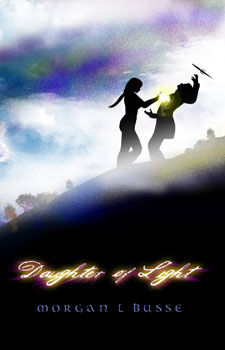
WhereTheMapEnds: What writing project(s) are you working on now? Morgan Busse: Working on the sequel to Daughter of Light. The tentative title is Son of Truth. Here is a hint: There is more to the assassin Caleb Tala than even he knew. WhereTheMapEnds: I can’t wait! What’s a cool speculative story idea you’ve had lately? Morgan Busse: I have a steam punk fantasy that I’ve been working on here and there for a couple years. The idea came when I saw a challenge that asked if necromancy could ever be used for good. I won’t reveal anymore than that. WhereTheMapEnds: Sounds awesome! What’s the best speculative story (Christian or secular, book or otherwise) you’ve encountered lately? Morgan Busse: Okay, if I have to choose one, I would have to say I love Merlin, the television series on the Syfy channel. The show explores the Arthurian legend from a unique point of view: What if magic was outlawed in Camelot and Merlin was the servant of Arthur? Love it! WhereTheMapEnds: Anything else you'd like to say to our readers? Morgan Busse: I have been a part of the Anomaly and WhereTheMapEnds community for a couple of years now [Editor’s note: Morgan (as Morwena) is an admin at The Anomaly] and want to say thank-you to all of you. You have been a huge source of support and encouragement! That's All for This TimeAnother terrific interview! Thanks again to Morgan Busse for stopping by. Be sure to visit her online. Also, if you missed any of our previous interviews with other speculative authors, including Frank Peretti, Jerry Jenkins, Karen Hancock, Tosca Lee, and Ted Dekker, you can read them here. Come back next month for an interview with another heavy hitter in the world of Christian speculative fiction.
|
Sign up for the
WhereTheMapEnds
  |